
Refrigerator Turntables: Check Loaded Rotation
How should buyers evaluate a refrigerator turntable rotation claim? Ask for a supplier demonstration tied to the exact offered organizer, a defined shelf arrangement and identified contents. Record the applicable handling instructions, clearance conditions and actual observations. Catalogue rotation and suction wording does not prove performance with every load, surface or refrigerator, and a product-weight figure is not an operating load limit.
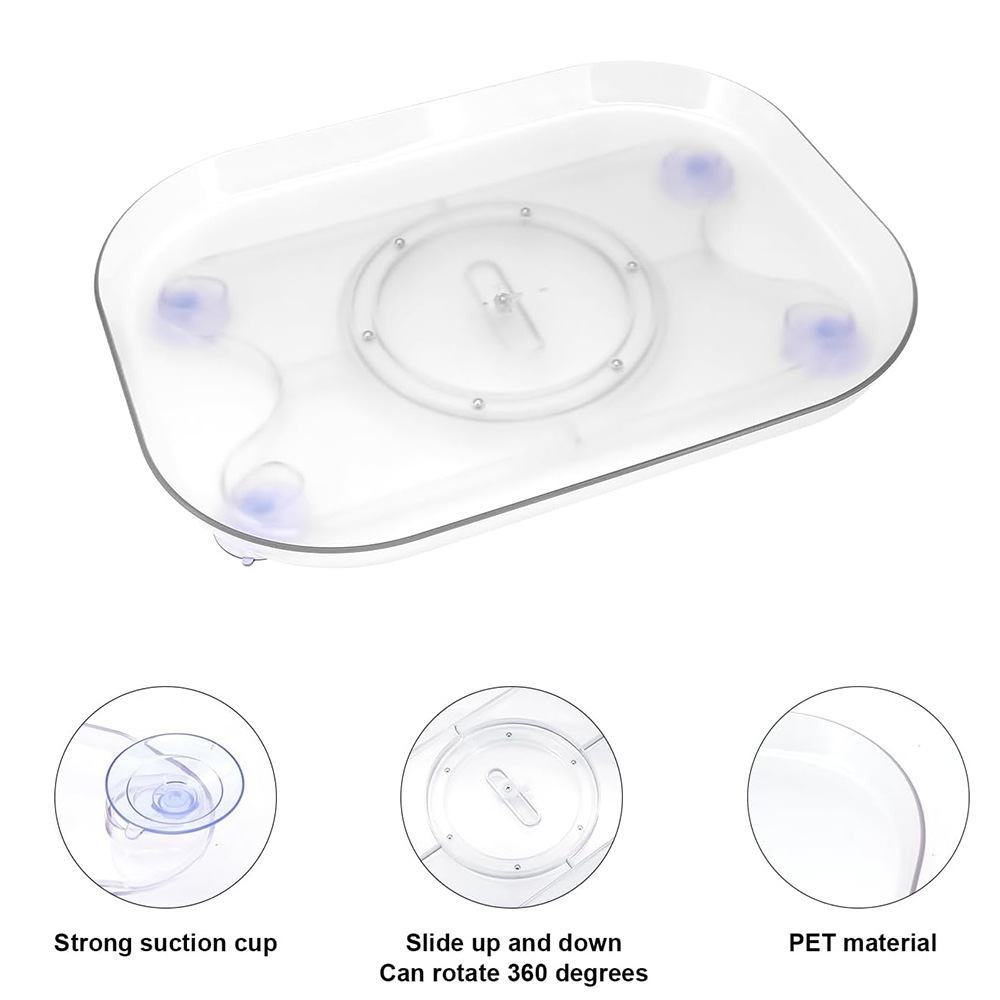
Official product illustration shows the underside and central arrangement. Its printed suction, material and rotation wording is not independent performance or material evidence.
Identify the rotation question separately from weight
The Refrigerator Lazy Turntable Organizer Square listing shows a transparent organizer with a central base arrangement. Supplier illustrations refer to rotation and suction cups. These are starting references for a version-specific enquiry, not independently verified results for the buyer use case.
The earlier unit-and-carton weight discussion addresses a different problem. It reconciles declared packing fields, while this enquiry asks what the actual offered organizer does under an identified arrangement. Keep those records separate so a measured or declared product mass does not become an assumed carrying capacity or rotation result.
Describe the intended arrangement without claiming compatibility
Identify the proposed shelf or placement surface and the usable space the buyer wants assessed. Provide a reference for the surrounding boundaries and the containers under consideration. Ask the supplier which arrangement its response covers. The purpose is to make the enquiry reproducible, not to declare the product compatible with every refrigerator of a named general type.
Where a door opening, shelf edge or surrounding item could affect the review, identify that condition in the request. Ask the supplier to explain any limitation in the proposed demonstration. Do not estimate a required clearance from the unscaled catalogue image or invent a dimension that the supplier has not confirmed.
Supplier-posted placement illustration. It does not establish compatibility with every refrigerator or a tested surface-retention result.
Request the applicable supplier handling information
Ask for the instructions governing placement and use of the offered organizer. Have the supplier identify the version and the surface conditions to which its information applies. A printed suction-cup statement in a promotional illustration should lead to a specific documentation question rather than becoming a universal non-slip promise.
This article does not provide an installation or operating sequence. Ask the supplier to demonstrate its actual product using the applicable information and to identify the conditions shown. Retain a difference between the proposed buyer arrangement and the demonstrated arrangement as an open item for review.
Use a defined demonstration request table
The worksheet below specifies the information requested, leaving numerical limits and results unfilled. It is not a completed Daqida performance specification or a report that a demonstration has already succeeded.
Buying field
Requested supplier response
Offered organizer
Exact item, sample and supplied base configuration.
Placement arrangement
Identified shelf or surface and relevant surrounding boundaries.
Contents
Named containers and the declared arrangement used in the demonstration.
Applicable instructions
Supplier document or explanation linked to that product version.
Observed movement
Actual demonstrated motion and any interference or limitation recorded.
Decision scope
Buyer review result tied only to the identified sample and conditions.
Keep the contents and evidence identifiable
Ask the supplier to identify what is placed on the organizer in its demonstration. Retain the container references and the stated arrangement with the response. A video showing unidentified bottles is harder to compare with an enquiry about different containers. If a claimed load limit matters to the purchase, request its own defined supporting information instead of deriving one from a scene.
Request views that show the relevant product movement and the surrounding space clearly enough for the agreed review. Keep the original evidence with its sample identity. Record what was actually observed and avoid describing an edited product animation or an arrow printed on a photograph as a completed physical test.
Printed arrows and rotation wording are catalogue claims. Request an identified physical demonstration rather than treating this illustration as a completed test.
Separate rotation, stability and material questions
A response about movement does not automatically settle stability, surface retention, cleaning suitability or material composition. Keep each required claim on its own evidence basis. The saved listing contains differing material wording between a structured field and an illustration; this article does not resolve that difference or turn it into a verified material claim.
If the buyer requests another assessment, identify its product version, method and decision scope through the responsible review process. No food-contact status, load capacity, suction performance or universal refrigerator fit is established here. Retain a missing supplier response rather than expanding the meaning of a successful movement demonstration.
Carry the review scope into the purchase record
The completed enquiry should link the offered organizer, applicable instructions, demonstrated arrangement and buyer decision. If the product configuration, container arrangement or intended placement changes, ask whether the previous evidence remains applicable. Preserve the earlier record so the reason for a revised review remains understandable.
Send the selected product link and the defined demonstration questions through Daqida contact. This provides a practical route from catalogue rotation wording to a specific purchasing response while keeping all unmeasured performance and compatibility claims open.
Buyer FAQ
Does a catalogue rotation graphic prove a loaded demonstration?
No. Request evidence for an identified actual sample and a stated arrangement.
Is product net weight an operating load limit?
No. Any required load claim needs its own applicable supplier information and evidence.
Does a refrigerator scene establish fit in every refrigerator?
No. Identify the intended space and ask which arrangement the supplier response covers.
What is the deliverable for the buying team?
A traceable response connecting the actual organizer, supplier instructions, demonstration conditions, observations and scope of the buyer decision.
Supplier response checklist
Selected product and identified sample
Applicable supplier proposal or instruction source
Open questions and recorded buyer decision
wholesale household suppliesB2B supplier sample record