
A Beginner’s Guide to Plastic Mold Production: Steps and Tips
Plastic mold production is a pivotal process for beginners entering the manufacturing industry. Understanding the essential steps involved can help streamline your approach and avoid common mistakes. Whether creating a prototype or mass-producing components, grasping the fundamentals will significantly impact the quality and efficiency of your projects.
This guide walks you through the intricacies of plastic mold production, highlighting a step-by-step process that demystifies each phase. Additionally, we will delve into common pitfalls that new entrants often encounter, ensuring you are equipped with the knowledge to navigate challenges effectively.
Understanding Plastic Mold Production
Plastic mold production involves creating molds that shape plastic materials into specific forms. This method is crucial for manufacturing as it enables the mass production of plastic parts with high precision and repeatability, essential in industries from automotive to consumer goods.
Several types of molds are utilized, including injection molds, blow molds, and compression molds. Each serves a distinct purpose based on the desired product characteristics. For instance, injection molds are commonly used for complex shapes and high-volume production, while blow molds are preferred for hollow items like bottles.
The materials involved typically include steel and aluminum, with steel favored for durability in high-volume applications. Aluminum is lighter and easier to machine, making it suitable for short runs or prototyping.
When starting in plastic mold production, consider the design of the mold, as this significantly impacts the efficiency and quality of the manufactured parts. A common mistake is overlooking draft angles, which facilitate easy removal of parts from the mold. Without appropriate draft angles, parts can become stuck, leading to production delays and increased costs.
Step-by-Step Process of Plastic Mold Production
To effectively produce plastic molds, beginners must navigate a series of critical steps: design, material selection, machining, assembly, and testing. Each phase presents unique challenges and opportunities for efficiency.
1. Design Begin with a detailed design using CAD software for precise dimensions and visualizations. Overlooking the mold’s cooling system can affect production speed and quality. Incorporate sufficient cooling channels based on the part’s geometry.
2. Material Selection Selecting the right materials is crucial. Standard options include aluminum for machinability and steel for durability. For lightweight applications, consider polymer-based materials. Be cautious about the thermal properties, as they play a significant role in the mold’s performance and lifespan.
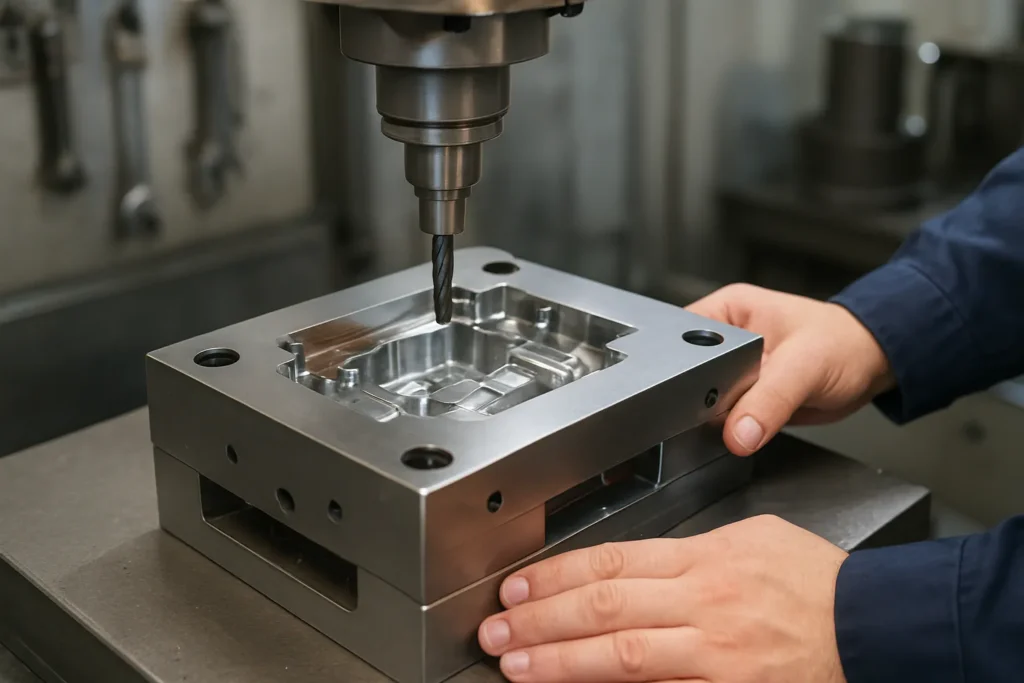
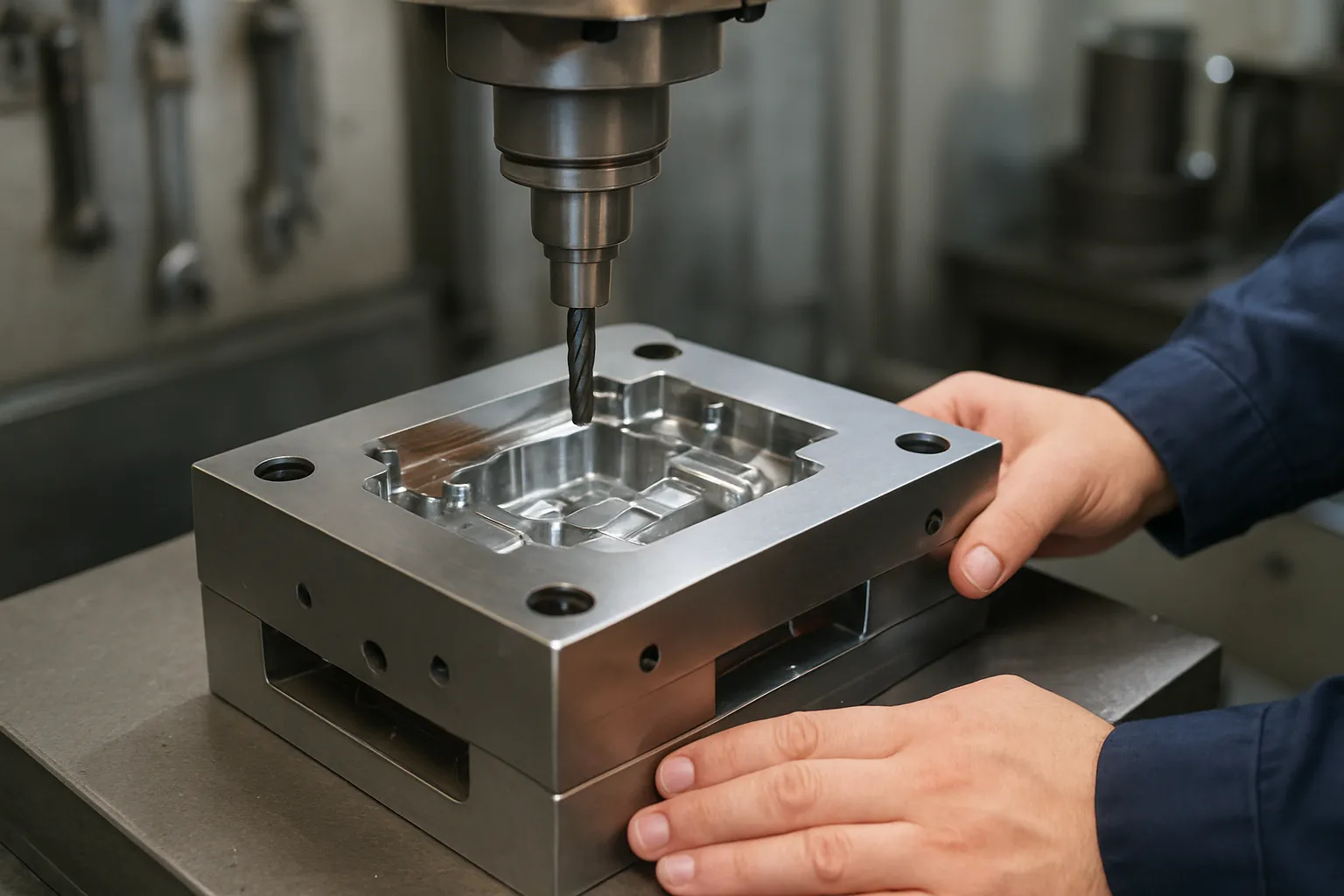
3. Machining Once the design and materials are set, machining begins. This process involves cutting and shaping the mold components. Utilize CNC machines for precision. Beginners often underestimate the importance of tool selection; using the wrong tools can lead to inaccurate cuts and increased wear.
4. Assembly After machining, assemble the mold components carefully. Align and fasten parts to avoid misalignment during operation. Neglecting to test the fit before finalizing the assembly can lead to costly rework.
5. Testing Conduct rigorous testing to ensure the mold performs as expected. Run test shots to check for defects and adjust the cooling system or modify the design if necessary. Many beginners overlook this step, but it’s vital for identifying potential issues before full-scale production.
Common Pitfalls in Plastic Mold Production
Several common pitfalls can hinder the quality of the final product and increase costs. Recognizing and avoiding these mistakes is essential for beginners aiming for efficient and successful mold creation.
One frequent error is inadequate design planning. New manufacturers often underestimate the importance of a well-thought-out design, leading to issues such as uneven wall thickness or insufficient draft angles. These flaws complicate the molding process and can result in cosmetic defects or structural weaknesses. Invest time in design software that simulates the molding process, enabling you to visualize and adjust your design before production.
Another common mistake is miscalculating material requirements. Beginners may overestimate or underestimate the amount of plastic needed, leading to excess waste or production delays. Conduct a thorough analysis of the mold’s volume and the density of the chosen material, accounting for any shrinkage during cooling.
Failing to choose the right type of mold can impact production efficiency. Opting for a single cavity mold when mass production is anticipated can slow down output. Instead, consider multi-cavity molds that are better suited for high-volume needs.
Comparative Overview of Plastic Mold Types
When selecting a plastic mold type for production, understanding the different options is crucial. Each mold type—such as injection molds and blow molds—comes with its own set of advantages and disadvantages.
Injection Molds Injection molding is one of the most popular methods for producing plastic parts. It involves injecting molten plastic into a mold cavity, which then cools and solidifies.
Pros:
- High precision and repeatability, ideal for mass production.
- Suitable for complex geometries and detailed designs.
- Can handle various materials, including thermoplastics and thermosetting plastics.
Cons:
- High initial setup costs due to mold creation.
- Production time can be lengthy if adjustments are needed.
Blow Molds Blow molding is primarily used for creating hollow plastic parts, such as bottles. The process involves inflating a heated plastic tube within a mold.
Pros:
- Lower costs for high-volume production of hollow items.
- Faster production times compared to injection molding for certain applications.
Cons:
- Limited design options; not suitable for intricate details.
- Typically requires additional processes for finishing or assembling parts.
Choosing the right type depends on your specific needs. If producing a high volume of complex shapes, injection molding may be the best choice. Conversely, if you need to create simple hollow forms quickly and cost-effectively, blow molding could suit your project better.