
A Beginner’s Guide to Understanding Plastics Products
Navigating the world of plastics products can be overwhelming, especially for beginners. With various types, applications, and safety considerations, it’s crucial to understand the essentials before making any purchasing decisions. Not all plastics are created equal; each type has its own properties, suitability for different uses, and environmental impact.
This guide equips you with the knowledge necessary to make informed choices about plastics products. You will learn about different categories of plastics, how to select the right materials for your needs, and common pitfalls to avoid. Whether you’re looking for durable containers, safe toys for children, or sustainable options, understanding the nuances of plastics products can lead to better decisions that align with your requirements and values.
Understanding Plastics Products
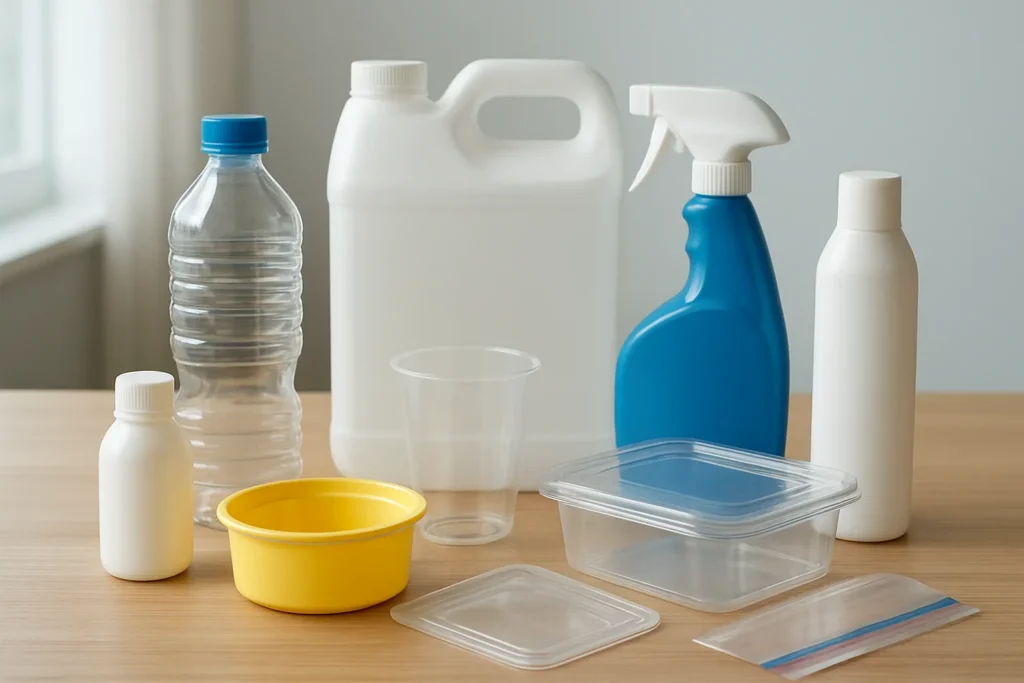
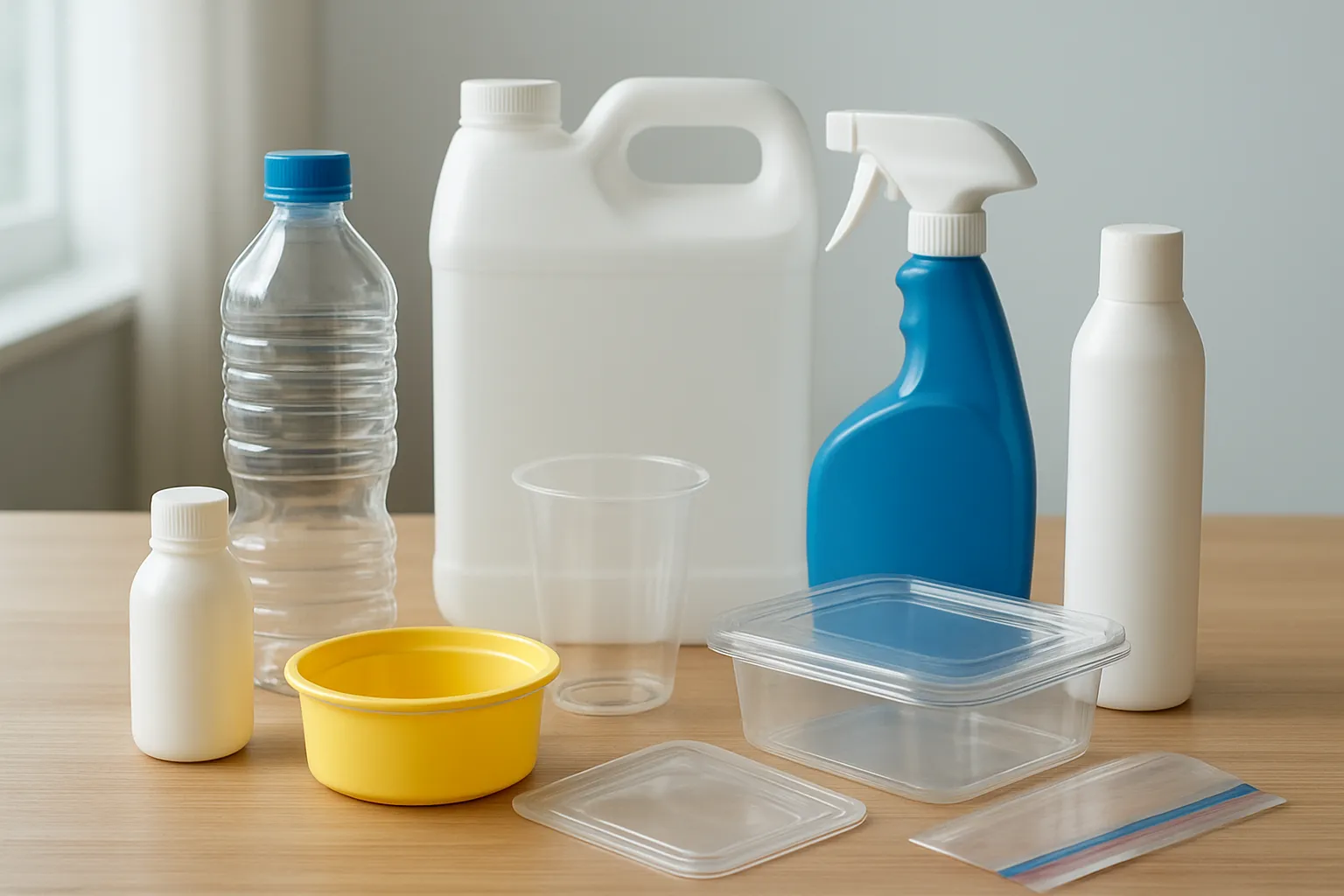
Plastics products are synthetic materials made from polymers, categorized into various types, each with distinct properties and applications. Common types include polyethylene (used in bags and bottles), polypropylene (used in food containers), polyvinyl chloride (PVC, used in pipes), and polystyrene (used in packaging). Understanding these types informs their suitable applications and limitations.
In industries like packaging and automotive, plastics play a critical role due to their versatility. For example, in the medical field, plastics are used for creating sterile equipment. However, while plastics offer benefits, they also come with challenges. A common misconception is that all plastics are recyclable; different types have varying recyclability levels, leading to confusion when attempting to reduce waste.
Recognizing the unique characteristics of plastics helps minimize environmental impact while maximizing their benefits. As you explore the next section, you will learn how to select the right plastics products for your specific needs, ensuring both functionality and sustainability.
Step-by-Step Guide to Choosing Plastics Products
Choosing the right plastics products can seem daunting, but breaking it down into manageable steps makes the process straightforward. Start by defining your specific needs. Are you looking for durability, flexibility, or resistance to chemicals? Each material has distinct properties that influence performance.
Next, consider the environmental impact of your choices. Many plastics are recyclable, but check local resources that outline recycling capabilities. This helps in making an environmentally conscious decision and ensures compliance with regulations if your product is used in regulated industries.
Another critical criterion is regulatory compliance. Depending on your application, certain plastics may need to meet specific safety regulations. Familiarize yourself with applicable regulations to avoid legal complications.
Utilize resources like industry publications and online databases. Websites like PlasticsEurope offer extensive information on different types of plastics, their properties, and applications.
To choose the right plastics products effectively, clarify your needs, evaluate environmental implications, and ensure compliance with regulations. These steps will guide you through the selection process.
Comparison of Common Plastics Materials
Understanding various types of plastic materials is crucial. Here’s a comparison of some common plastics: PVC, ABS, and Polyethylene. Each type has distinct properties, uses, and trade-offs.
| Plastic Type | Properties | Common Uses | Pros | Cons |
|---|---|---|---|---|
| PVC | Rigid, chemical resistant, good insulation | Pipes, window frames, flooring | Cost-effective, durable | Can be brittle in cold weather |
| ABS | Strong, impact-resistant, easy to mold | Toys, appliances, automotive parts | Lightweight, good surface finish | Sensitive to UV light, can warp under heat |
| Polyethylene | Flexible, moisture-resistant, low-friction | Bags, containers, tubing | Versatile, recyclable | Less rigid than other plastics |
This table serves as a quick reference to help you weigh your options. For instance, if you need a tough material for a toy, ABS would be a better choice than PVC, which is more suited for structural applications. However, if your project requires flexibility, Polyethylene might be the most suitable option despite its lower rigidity.
Be mindful of environmental factors. PVC’s brittleness in cold weather can be problematic for outdoor use. Understanding these limitations will help you make informed choices.
Common Mistakes to Avoid When Using Plastics Products
Beginners often encounter common pitfalls that can lead to ineffective use or environmental harm. Understanding these mistakes is crucial for maximizing the benefits of plastics.
One frequent mistake is improper recycling. Different types of plastics have distinct recycling codes, and not all facilities accept every type. Before disposing of a plastic product, check the recycling symbol and confirm with local waste management guidelines.
Another issue arises from misunderstanding material properties. Some users may choose lightweight plastics for durability without realizing that certain types can degrade under UV light exposure. Always consider the environment where the product will be used.
Overlooking safety guidelines is also a common error. Plastics can leach harmful chemicals when heated or damaged. Always opt for kitchenware labeled as food-safe and heat-resistant.
To mitigate these issues:
- Check Recycling Codes: Familiarize yourself with the recycling symbols.
- Research Material Properties: Understand the specific characteristics of the plastic type you are using.
- Follow Safety Guidelines: Always heed manufacturer instructions regarding heat exposure and food safety.
By being aware of these common mistakes, you can use plastics products more effectively and responsibly.
Frequently Asked Questions About Plastics Products
When diving into the world of plastics products, beginners often have pressing questions about sustainability, safety, and recycling. Addressing these can significantly enhance your understanding.
One common query is about eco-friendly plastics. Biodegradable options, such as polylactic acid (PLA), are often highlighted for their reduced environmental impact. However, these materials require specific composting conditions to break down effectively.
Recycling is another critical topic. To recycle plastics properly, familiarize yourself with local recycling codes. Rinse containers before placing them in recycling bins to avoid contamination. Keep in mind that not all plastics are accepted in curbside programs.
Safety regulations regarding plastics in food packaging are also vital. The U.S. Food and Drug Administration (FDA) regulates which plastics can safely contact food. Look for packaging that specifically states it is food-safe.
Understanding these aspects equips you with the knowledge to navigate the complexities of plastics products more confidently. Avoiding misconceptions and knowing the right questions to ask will enhance your experience.
Frequently Asked Questions
What are the most common types of plastics products?
Common types include polyethylene, polypropylene, PVC, and polystyrene, each with unique properties and applications.
How do I ensure I am choosing the right plastic for my project?
Consider the project requirements, such as temperature resistance, strength, and compatibility with other materials.
What should I know about recycling plastics products?
Different plastics have varying recycling processes. Always check local recycling guidelines.
Are there safety concerns with using plastics products in food packaging?
Yes, ensure that the plastics used are food-safe and comply with relevant regulations.
How can I reduce the environmental impact of using plastics?
Opt for biodegradable options, recycle properly, and support manufacturers with sustainable practices.