
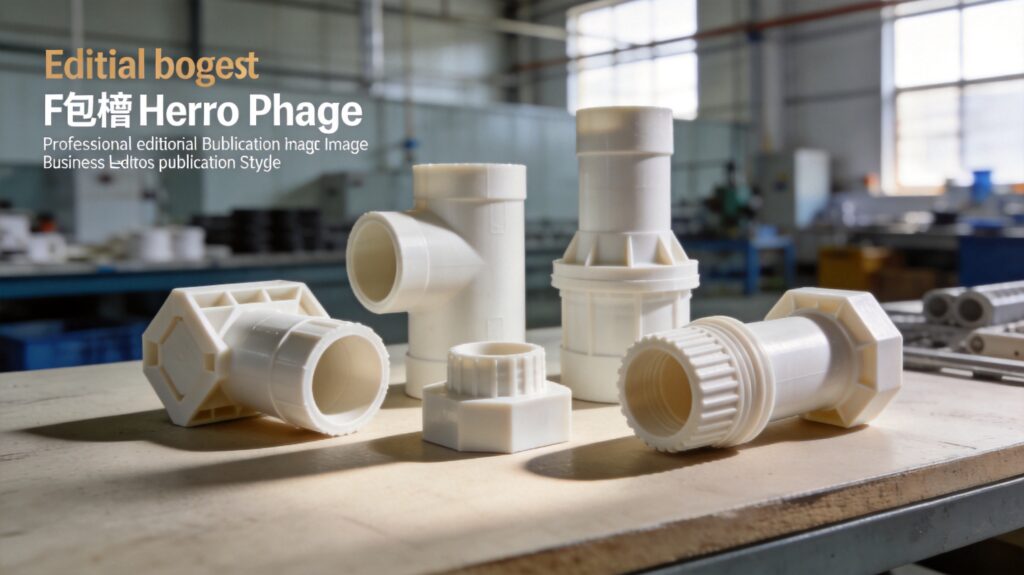
Unlocking Efficiency with Custom Plastic Manufacturing Solutions
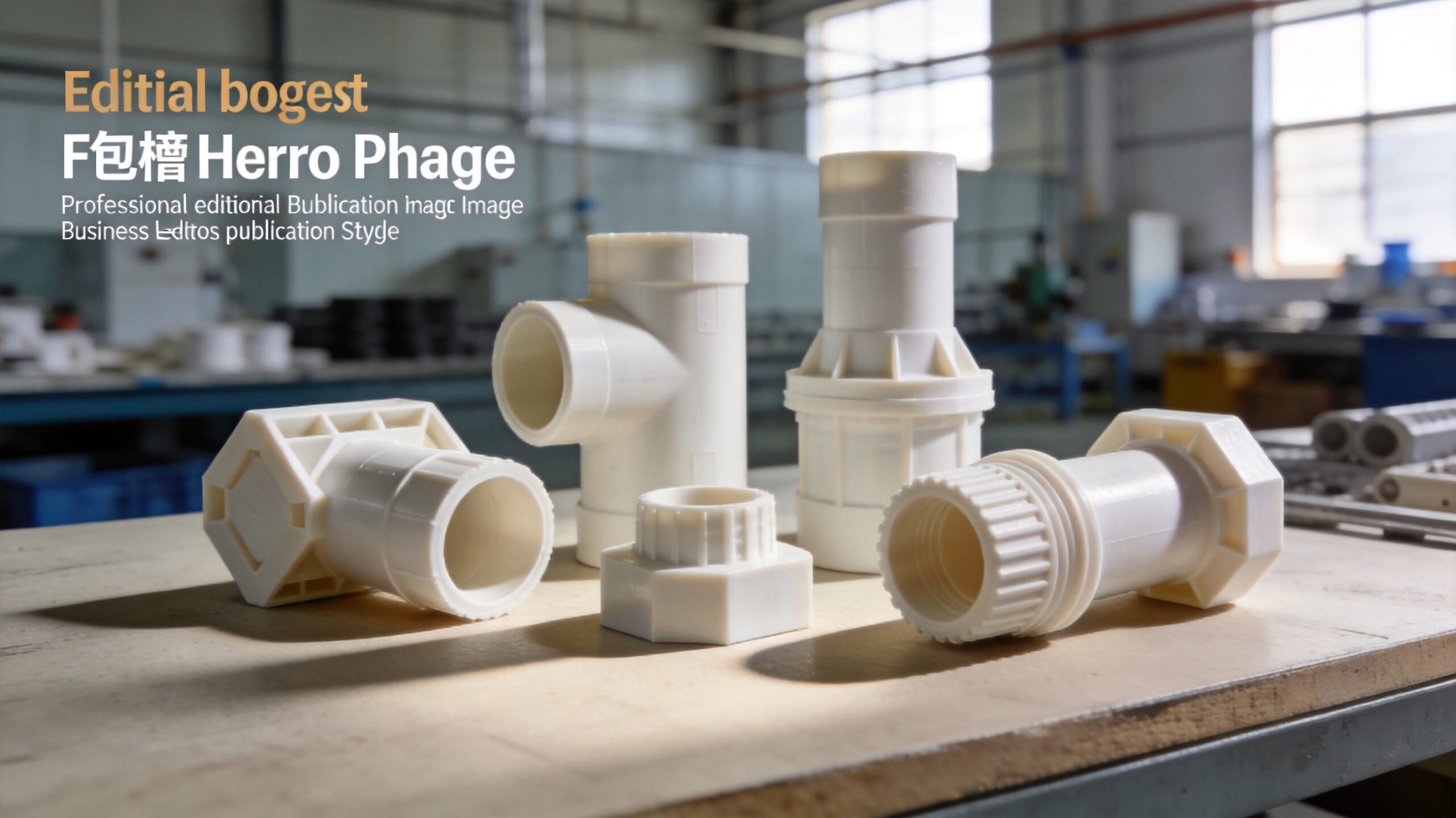
In today’s fast-paced industrial landscape, custom plastic manufacturing has become an essential element for enhancing supply chain efficiency and reliability. This innovative process allows businesses to create tailored plastic components that directly address their unique operational needs. By harnessing the benefits of custom plastic manufacturing, companies can streamline operations, minimize costs, and elevate product quality.
Understanding Custom Plastic Manufacturing
Custom plastic manufacturing is the process of producing plastic parts specifically designed to meet a business’s unique requirements. This can involve various techniques such as injection molding, blow molding, and 3D printing. From my perspective, the greatest advantage for B2B buyers lies in the ability to create highly specialized components that adhere to precise specifications. This ultimately enhances the functionality and performance of end products. Furthermore, custom manufacturing enables businesses to respond swiftly to market shifts, ensuring they remain competitive.
Specifications for Industrial Plastic Components
When it comes to industrial plastic components, several specifications are crucial for ensuring optimal performance:
- Material Selection: Choosing the right material is vital as it influences durability, strength, and overall performance. Common materials include ABS, polycarbonate, and nylon, each offering distinct advantages depending on their application.
- Tolerances and Dimensions: Precision is paramount in manufacturing plastic components. Clearly defined tolerances and dimensions ensure that parts fit together seamlessly during final assembly.
- Surface Finishing Options: The surface finish of plastic components affects both aesthetics and functionality. Options such as texturing, polishing, or painting can enhance both the appearance and performance of the parts.
Use Cases of Custom Plastic Components
Custom plastic components are utilized across a variety of industries, demonstrating their versatility and significance.
- Automotive Industry Applications: In the automotive sector, custom plastic parts are crucial for producing lightweight components that improve fuel efficiency and reduce emissions. Components ranging from dashboards to engine covers are integral to vehicle performance.
- Medical Device Manufacturing: The medical industry heavily relies on custom plastic manufacturing to create components that meet stringent safety and regulatory standards. Products such as syringes, electronic device casings, and various surgical tools are produced using specialized plastic parts.
- Consumer Goods and Electronics: In the consumer goods sector, custom plastic components are used for innovative packaging, durable electronic housings, and other products that require high-quality materials and precise manufacturing.
Comparing Plastic Parts Suppliers
Selecting the right plastic parts supplier is essential for fulfilling your custom manufacturing needs effectively.
- Criteria for Evaluation: When assessing suppliers, consider their experience, capabilities, and industry reputation. It’s beneficial to choose suppliers who specialize in the specific components you require.
- Cost vs. Quality Considerations: While cost is a significant factor, it should never compromise quality. It’s important to balance price with the quality of materials and manufacturing processes offered by potential suppliers.
- Lead Times and Delivery Reliability: Timely delivery is crucial for maintaining a smooth supply chain. Evaluate suppliers based on their lead times and reliability in meeting deadlines.
Sourcing Strategies for Custom Manufacturing
Effective sourcing strategies can significantly improve your experience with custom plastic manufacturing.
- Identifying Potential Suppliers: Start by researching suppliers that specialize in custom plastic manufacturing. Utilize industry directories, trade shows, and online platforms to create a list of potential partners.
- Request for Proposal (RFP) Process: After identifying potential suppliers, initiate an RFP process. This enables you to communicate your specific needs and expectations, allowing suppliers to provide tailored proposals.
- Building Long-term Supplier Relationships: Establishing long-term relationships with suppliers can lead to better pricing, improved service, and enhanced collaboration on future projects.
Implementation in the Supply Chain
Integrating custom plastic manufacturing into your existing supply chain requires careful planning and execution.
- Integration with Existing Processes: Ensure that the custom components can be seamlessly integrated into your current manufacturing processes. This may involve adjusting assembly lines or training staff on new procedures.
- Quality Control Measures: Implement robust quality control measures to monitor the performance of custom plastic components. Regular testing and inspections can help maintain high standards.
- Scalability and Flexibility: Ensure that your custom manufacturing partner can scale production as your business grows, and that flexibility in production runs is available to adapt to changing market demands.
Frequently Asked Questions
What is the typical turnaround time? Turnaround times can vary based on component complexity and manufacturing processes involved. Generally, it can range from a few weeks to several months.
How to ensure quality in custom manufacturing? Quality can be assured through rigorous testing, implementing quality control protocols, and by selecting reputable suppliers with proven track records.
What are the cost implications of custom parts? Custom parts may be more expensive than off-the-shelf solutions, but the investment often yields returns through improved performance, reduced waste, and enhanced product quality.
In conclusion, custom plastic manufacturing presents substantial advantages for businesses aiming to enhance their supply chains. By comprehending the specifications, applications, and sourcing strategies involved, companies can make informed decisions that lead to improved efficiency and product quality. Partnering with the right plastic parts supplier can transform operations and position businesses for success in a competitive marketplace.