
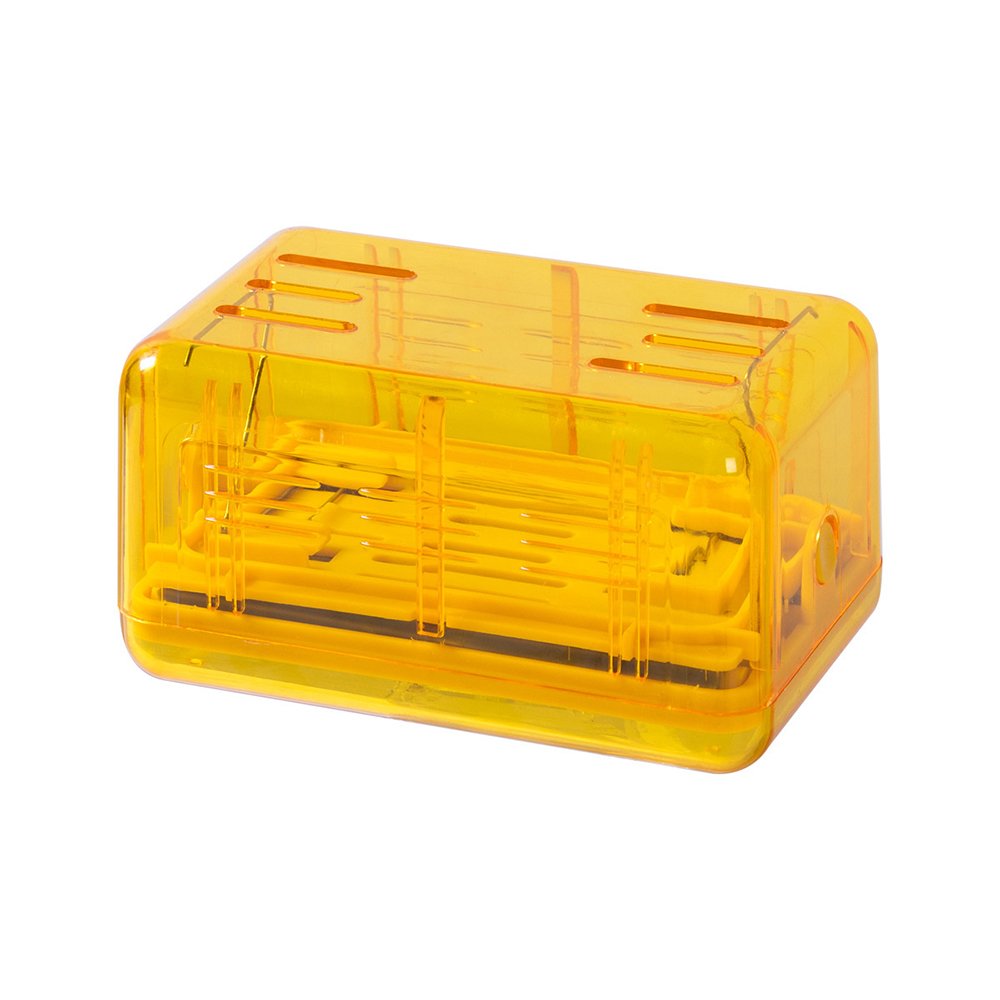
Laundry Soap Boxes: Approve the Tray Fit
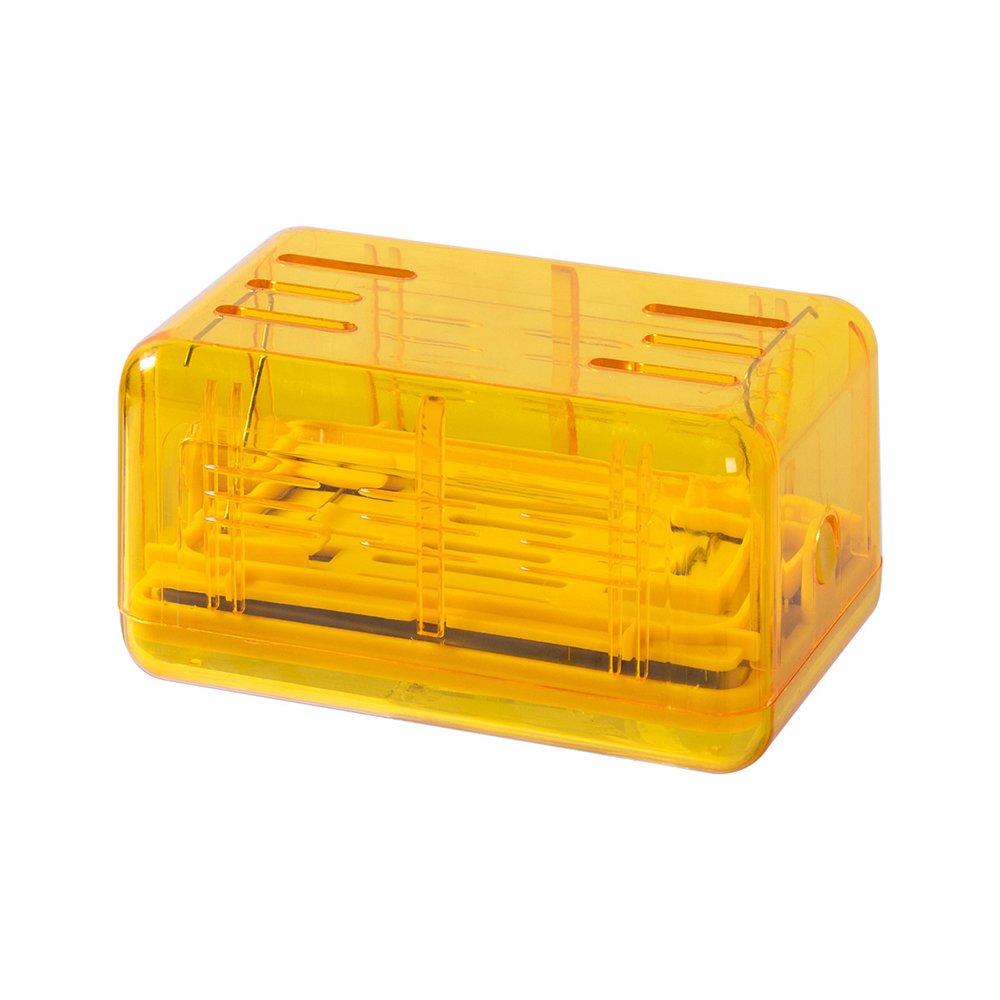
Approve a laundry soap box as an assembled set, with the intended soap and the agreed insert in place. Compare the closed case, removable parts, contact surfaces and retail presentation against a retained sample. Record fit observations separately from drainage or foaming claims, which need their own agreed evidence before use in sales copy.
A yellow box can look correct in a catalogue and still disappoint a buyer if the lid, insert or intended soap combination differs from the approved version. For importers building a laundry accessories range, the useful sample review is a precise record of what belongs together. This article focuses on that approval decision rather than a general plastic manufacturing overview.
Start with the actual set on offer
The official laundry soap box listing identifies a yellow PP product and shows a case with a removable internal part. Use that product page as the starting reference in the enquiry. Ask the supplier to identify the current version and confirm which visible components are included. A photograph of a complete assembly does not replace a written parts list.
Create a simple sample sheet with the product URL, supplier reference, colour reference and photographs of the received item. Describe each separate piece in plain language. Keep packaging and inserts with the sample until approval is complete, so the purchasing and receiving teams review the same configuration.
Catalogue references: Laundry Soap Box.
Check clearance with the intended soap
External box dimensions and usable space are different questions. Give the supplier the intended soap shape and request confirmation using the assembled sample. Check whether the soap can sit in the agreed position while the lid closes normally. Do not estimate internal capacity from a photograph or assume that every bar with a similar name will fit.
Inspect how the removable part seats in the case. Look for a consistent assembly, accessible edges and a closing action that matches the approved reference. Describe any concern with a marked photograph and ask for a revised sample when necessary. These are buyer inspection points, not claims that a particular tolerance or laboratory result has already been achieved.
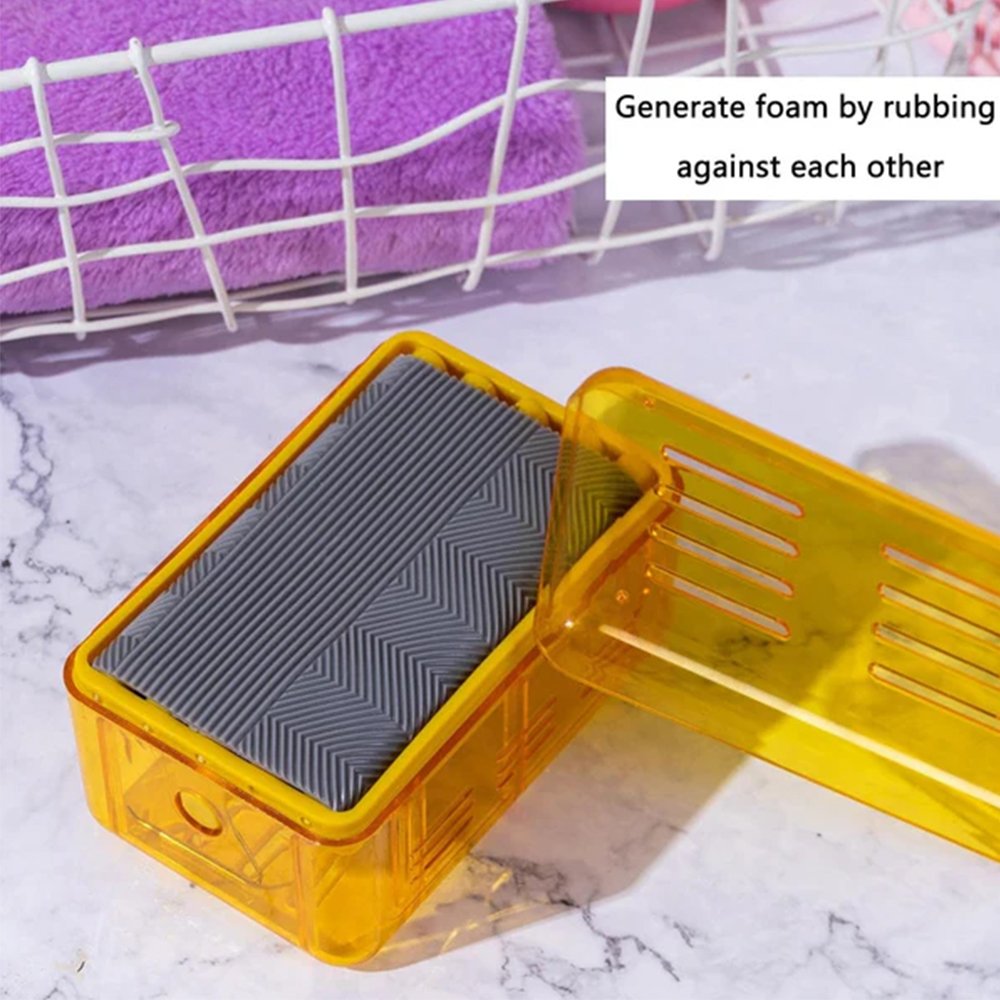
- Identify the case, lid and removable insert separately.
- Check the intended soap in the assembled sample.
- Retain photographs of open and closed configurations.
- Approve labels and included contents alongside the product.
Separate appearance from performance evidence
The catalogue includes photographs of the open insert and the closed case. Those views help buyers describe the intended construction and appearance. They do not establish how quickly a soap bar dries, how long the box lasts or how much foam it produces. Keep those outcomes outside the approved marketing specification unless suitable evidence is available.
A comparison table can keep the approval meeting focused. The left column identifies the decision, while the evidence column identifies what the buyer should actually retain. When an observation is subjective, agree a physical reference rather than accepting a vague instruction such as premium finish.
| Approval decision | Evidence to retain | Question before ordering |
|---|---|---|
| Assembly identity | Labelled sample and parts photographs | Are all shown parts included? |
| Usable fit | Intended soap and closed-case observation | Does this combination close normally? |
| Appearance | Retained physical reference | Which changes require reapproval? |
| Pack identity | Approved artwork and packed sample | Is soap included or only illustrated? |
Approve the sample and its presentation together
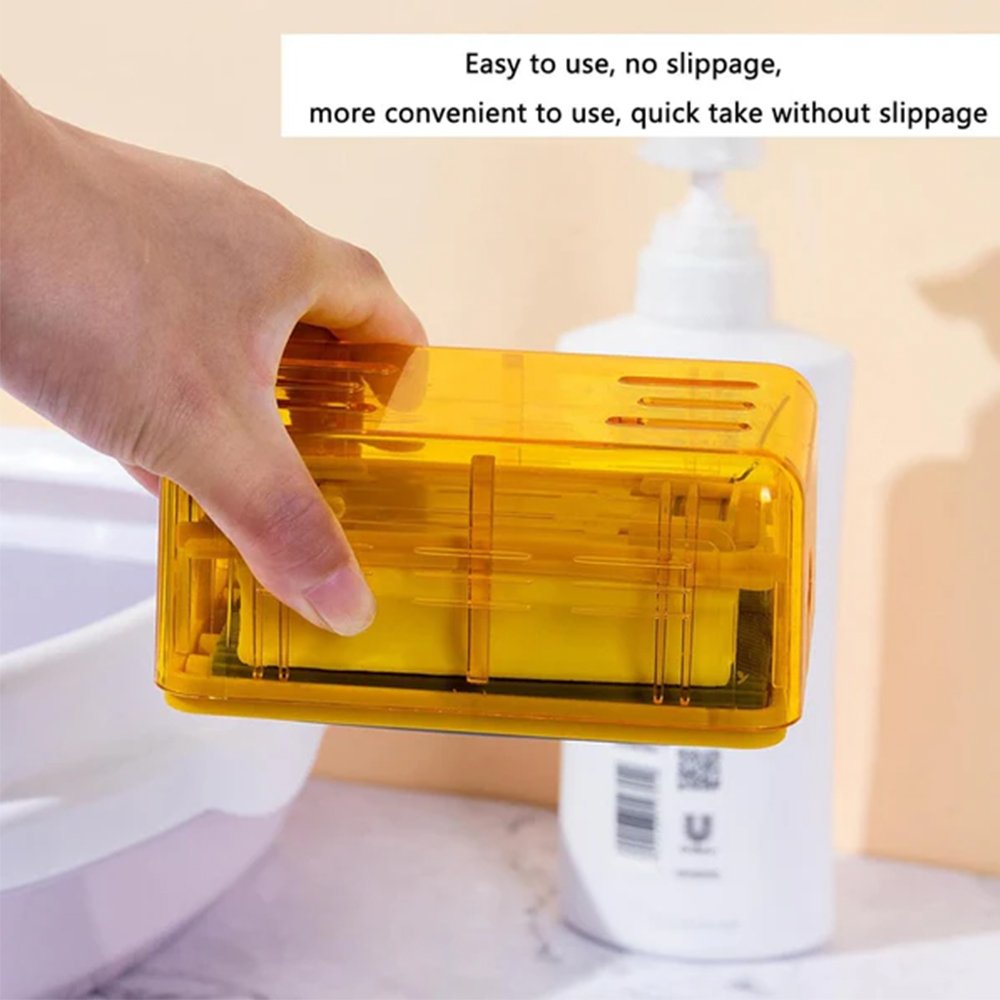
Assess the item after unpacking as well as inside its proposed sales pack. Confirm that the lid and insert remain together and that the packaging description clearly identifies a soap box rather than a soap refill. If soap appears in sales photography, state separately whether the commercial unit includes it. Do not let a styling prop silently become an order commitment.
Ask the supplier to provide the proposed label and packing description for review. The required language, barcode and artwork depend on the buyer’s sales channel. Record approved files by version and keep the packed sample as the reference for later receiving checks. Any change in presentation should be approved explicitly before it is treated as equivalent.
Turn the approved sample into an order reference
Close the review with a short discrepancy list: accepted points, questions still open and changes requested. Link each point to the relevant photograph or sample label. Procurement can then request a quotation against an identifiable assembly instead of asking for the yellow box and relying on memory.
For a repeat order, retrieve the retained sample before accepting a substitute. Compare the case, removable part, colour and pack identity. A revised catalogue image should trigger clarification when it differs from the approved reference. This gives the buyer a practical way to control changes without inventing a durability guarantee or an unsupported performance standard.
Frequently Asked Questions
Is the listed outer size enough to approve a soap box?
No. The buyer still needs to confirm usable clearance with the intended soap, insert and closed case. The assembled sample is the relevant reference.
Can product photographs prove drainage performance?
They can show visible openings or construction. They do not establish a measured drying result. Agree separate evidence before making a performance claim.
What should be kept after approval?
Retain the complete labelled assembly, agreed contents list, pack reference and dated photographs. Record unresolved points before placing an order.
Send the intended soap details and an assembly checklist when requesting the current sample. Browse the product catalogue, read the plastic mould production article or contact the supplier.