
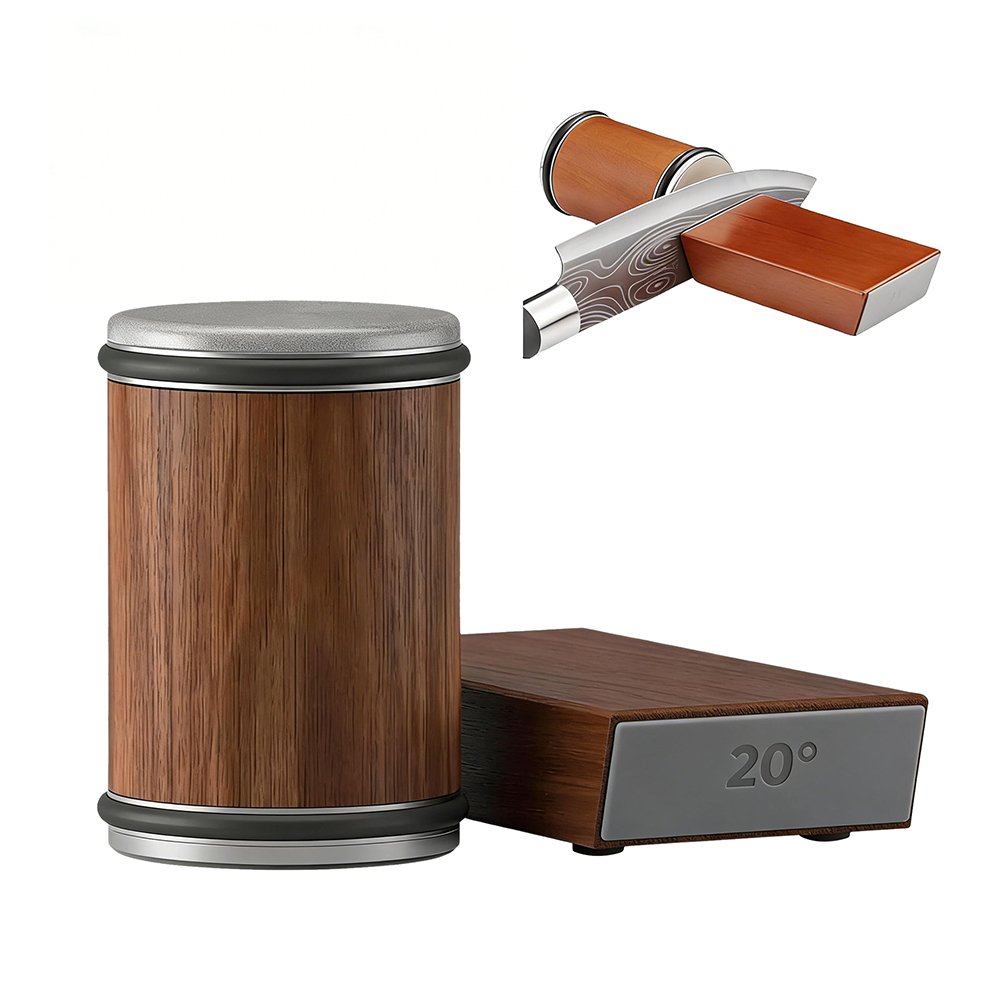
Rolling Sharpeners: Pack the Roller and Base
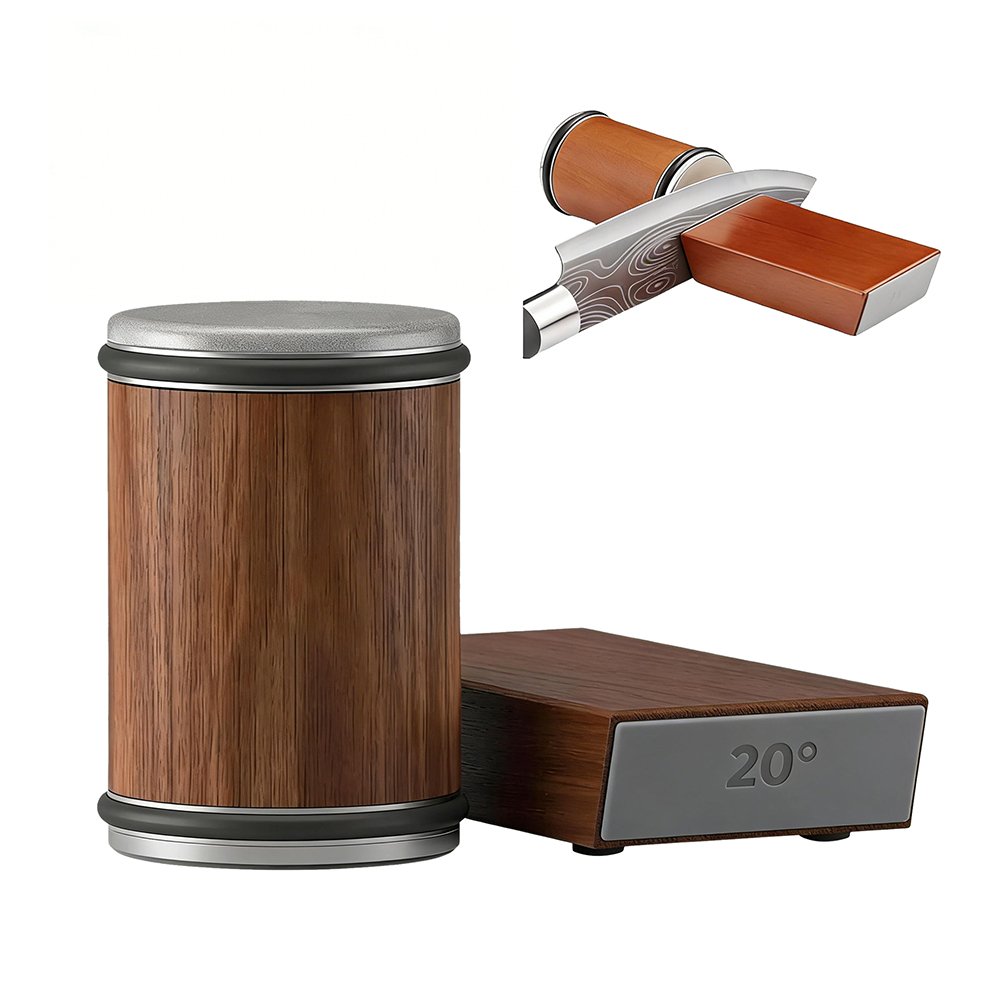
Pack a rolling knife sharpener as an identified set with the selected roller and matching base. Agree the component list, variant reference, separation inside the pack and label wording before approving a packed sample. Catalogue pictures can distinguish configurations, but angle markings and material descriptions should be confirmed for the exact version being ordered.
For a kitchenware distributor, a complete set is more useful than two attractive components that cannot be traced to the same order line. Rolling sharpener packaging therefore starts with component identity. This guide addresses the packed unit, variant control and receiving record rather than providing sharpening instructions or promising a particular cutting result.
Define the complete commercial unit
The official listing presents a rolling cylinder with a separate base. Begin the packing specification by identifying both components in the quoted set. Request a current component list and photographs of the selected version. Where a knife appears in an application photograph, ask explicitly whether it is supplied; never infer an inclusion from a demonstration scene.
Give the finished set its own purchasing reference. Separate any requested spare component from the complete set on the order. This allows receiving staff to tell whether a carton contains finished saleable units or replacement parts, without opening every item to reconstruct the supplier’s intended configuration.
Catalogue references: Rolling Knife Sharpener.
Control variant and marking differences
The product gallery shows brown and black presentations and visible angle markings. These are useful identification cues, but buyers should not combine specifications from different photographs. Ask the supplier to confirm the appearance, markings and material description of the particular version being quoted. Keep the approval record tied to that version.
If the buyer wants more than one variant, create separate order lines and clear pack identifiers. A colour word alone may be insufficient where component markings also differ. Avoid publishing a universal blade-compatibility statement or a guaranteed sharpening outcome merely because a product belongs to the rolling sharpener category.
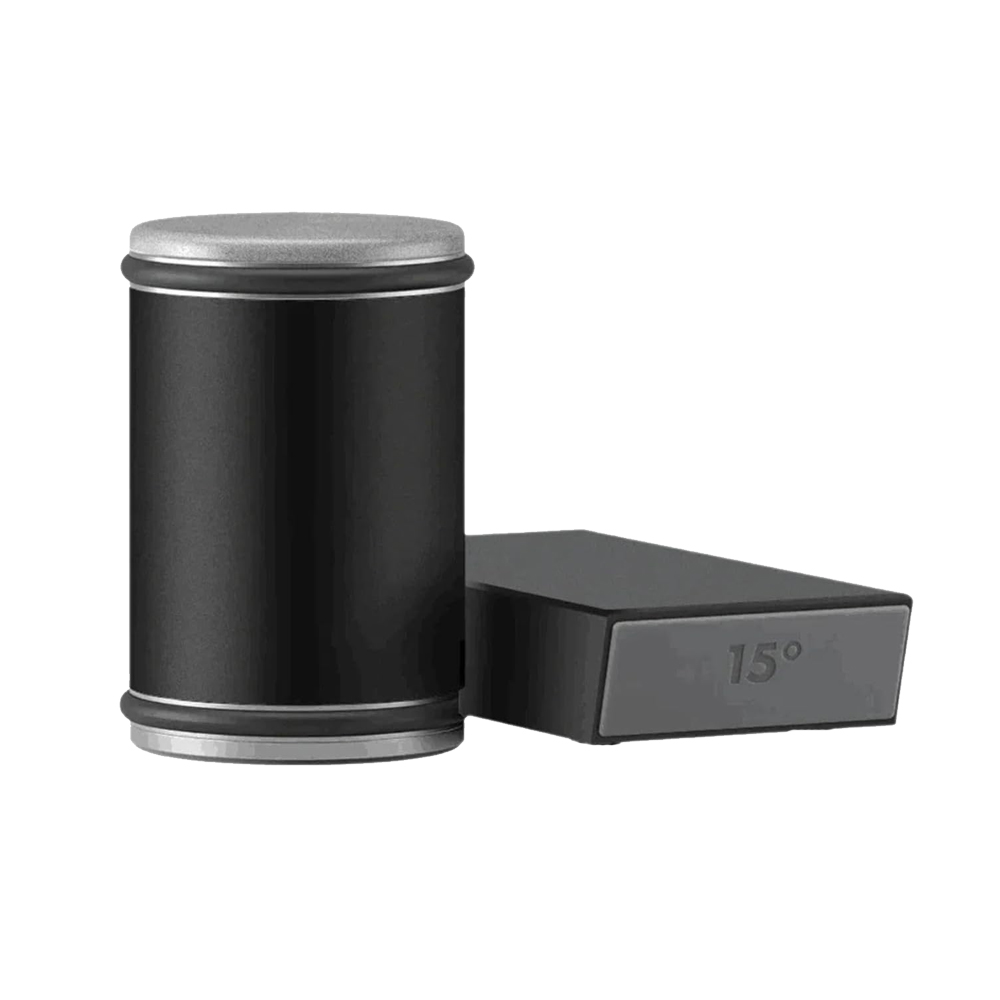
- Identify the roller and base in the order record.
- Confirm the exact variant and visible markings.
- Inspect the proposed open and closed packed sample.
- Retain the final component list and label artwork.
Specify separation and presentation in the pack
Ask how the roller and base will be held apart and retained inside the proposed packaging. Request photographs of the open and closed packed sample. Inspect whether the components arrive in the agreed positions and whether finishes remain consistent with the approved reference after ordinary sample handling. Any formal transport test must be agreed and evidenced separately.
The table below links packing decisions to receiving checks. It does not prescribe an unverified cushioning material or claim that one pack passes a particular test. The supplier should propose the actual presentation, and the buyer should approve that physical sample before its description becomes part of the order.
| Packing decision | Approval reference | Receiving check |
|---|---|---|
| Set contents | Component list with photographs | Roller and base present as ordered |
| Variant control | Selected colour and marking reference | Pack and product identities agree |
| Internal arrangement | Open packed-sample photograph | Components retained as approved |
| Label scope | Approved artwork version | Contents description matches the set |
Keep label claims within the confirmed scope
Describe the product and included components clearly on the proposed label. Use only confirmed variant information and approved artwork. If an angle or material is printed, verify it against the selected configuration. Do not transfer a marking from another gallery image or add claims about professional results, service life or suitability for every knife.
Request appropriate supplier instructions for the product and intended market. Review the language and document version alongside the pack artwork. Procurement should identify the responsible reviewer and retain the agreed files. A packing guide does not establish regulatory compliance, certification or the adequacy of handling instructions for a particular jurisdiction.
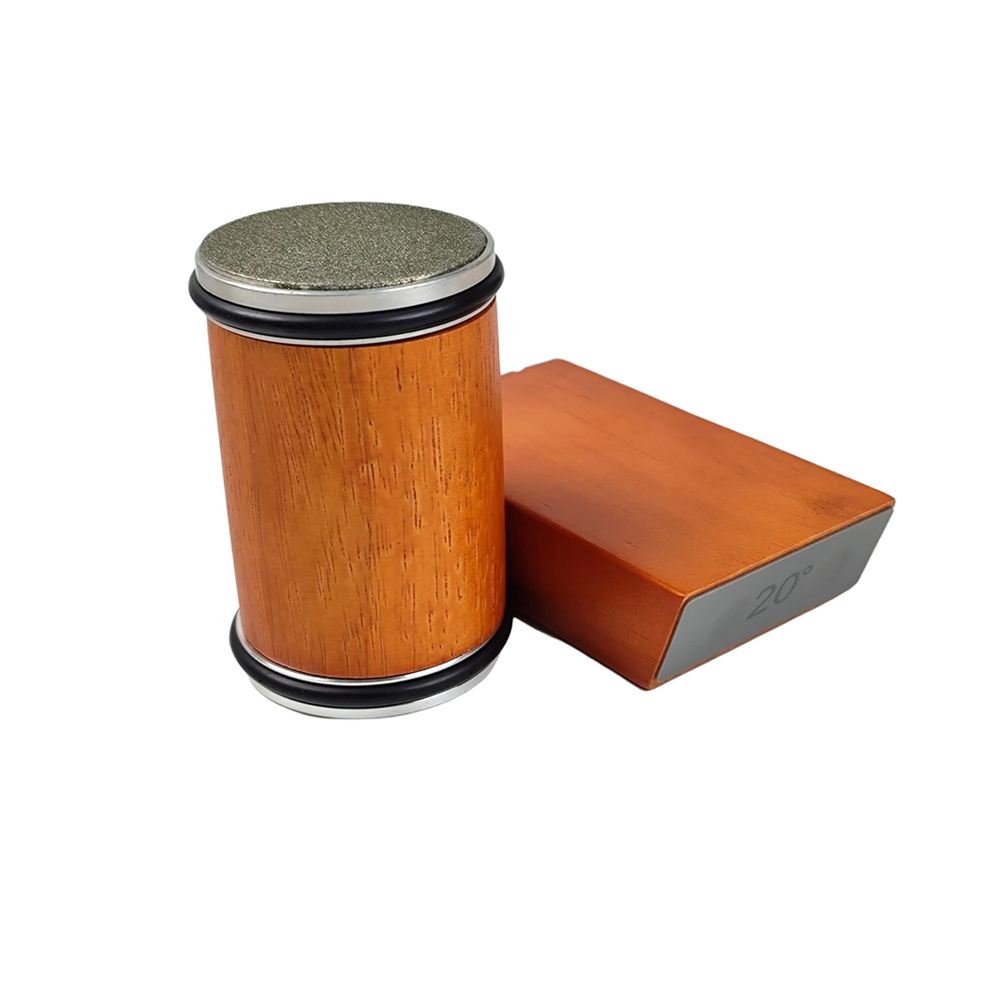
Approve the packed set as the receiving reference
Retain an approved packed sample with the final component list and label version. At receipt, compare the product reference, variant, component presence and presentation with that record. Where cartons contain mixed variants, require a clear allocation so the warehouse can reconcile the contents against the purchase order.
When the supplier proposes a change to the roller, base or internal packing, request an updated sample record before accepting equivalence. This keeps the commercial unit stable across reorders. It also gives customer service an accurate contents description without relying on broad performance promises or an old catalogue image that may show a different configuration.
Frequently Asked Questions
Does a knife in a catalogue image belong to the set?
Only if the supplier confirms it in the commercial contents list. Application photographs may include items used to illustrate the product.
Can different angle markings be combined in one specification?
Do not combine them without confirmation. Identify the exact configuration and request a separate line or reference for each intended variant.
What should change approval cover?
Review component identity, visible markings, pack arrangement and label wording whenever the supplier proposes a replacement or revised version.
Send the selected gallery reference and a proposed component list to confirm the complete packed set. Browse the product catalogue, read the plastic mould production article or contact the supplier.